Our Projects
Symbiosis is spotlighting high-integrity, replicable projects that represent the pathways with the greatest potential to meet the scale of the climate challenge, across different geographies and approaches. Each project reflects Symbiosis Coalition's rigorous Quality Criteria, tailored to project type, geography, and economic and ecological context, but built around the same goal: real, measurable, and durable outcomes for both ecosystems and communities.
Symbiosis identifies potential projects, conducts the full diligence process, and facilitates the offtake agreements for buyers, making it easier for buyers to buy, developers to secure offtakes, and investors to provide project financing.
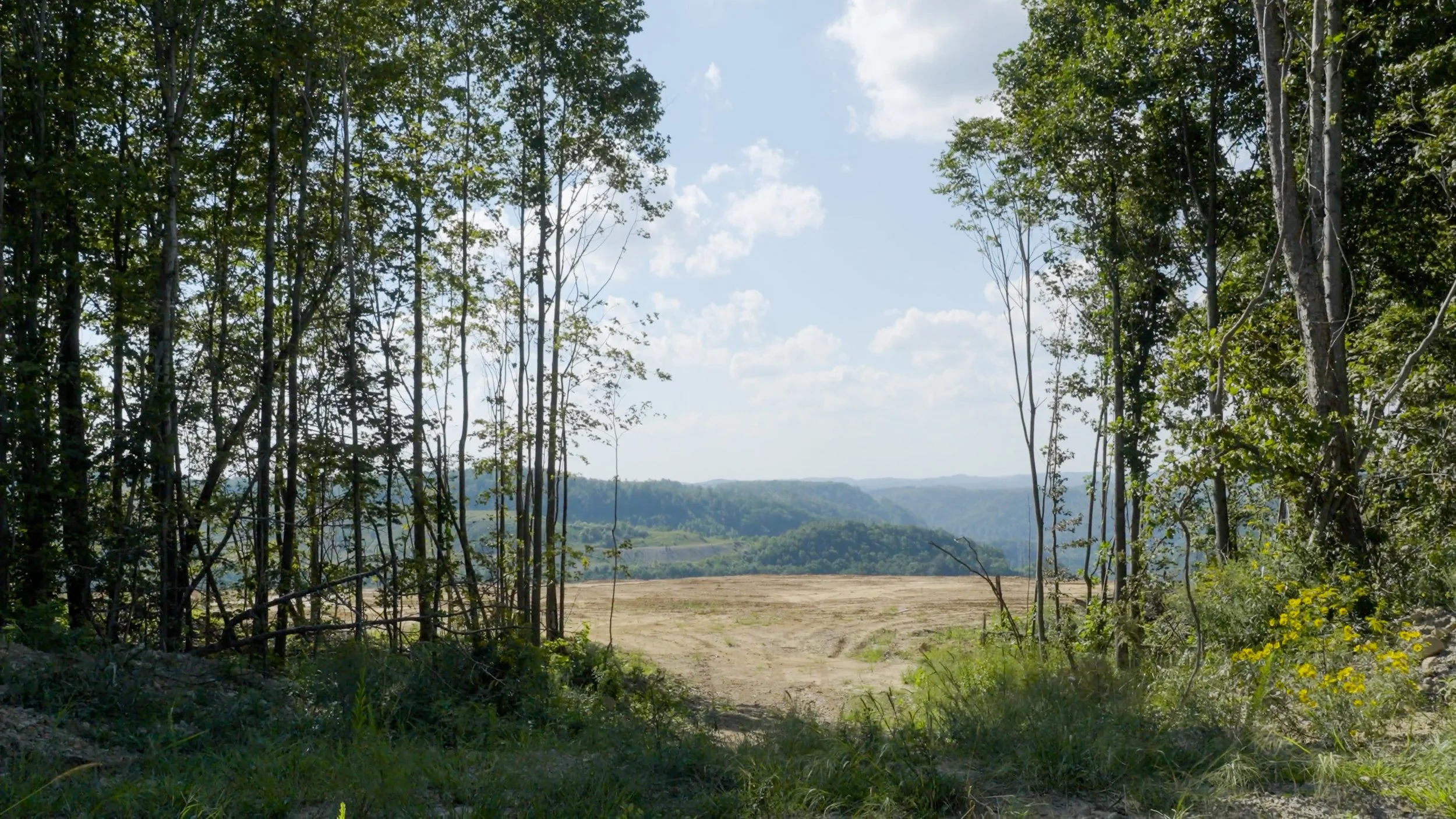
Region: Appalachian Region of the United States
Developer: Living Carbon
Volume: 131,240 tonnes of carbon removal
Project type: Reforestation
Announced: March 2026
Living Carbon is restoring former mine and agricultural lands in the United States. Living Carbon is planting native species of hardwood and pine on former mine lands and degraded agricultural lands in the Appalachian region – many of which have remained ecologically and economically underutilized for decades.
Living Carbon’s Restoring Degraded Lands in Appalachia
Region: Brazilian Amazon
Volume: 225,000 tonnes of carbon removal
Developer: Mombak
Project type: Reforestation
Announced: November 2025
Mombak is restoring degraded pasturelands in the Brazilian Amazon. The conservation-oriented reforestation project manages over 20,000 hectares, transforming pasture degraded by decades of cattle ranching into biodiverse forest in the Brazilian Amazon, one of the world’s most ecologically significant landscapes.
Mombak’s Reforesting Brazil at Scale

Thryve’s Forest Landscape Restoration in Indonesia
Region: Indonesia
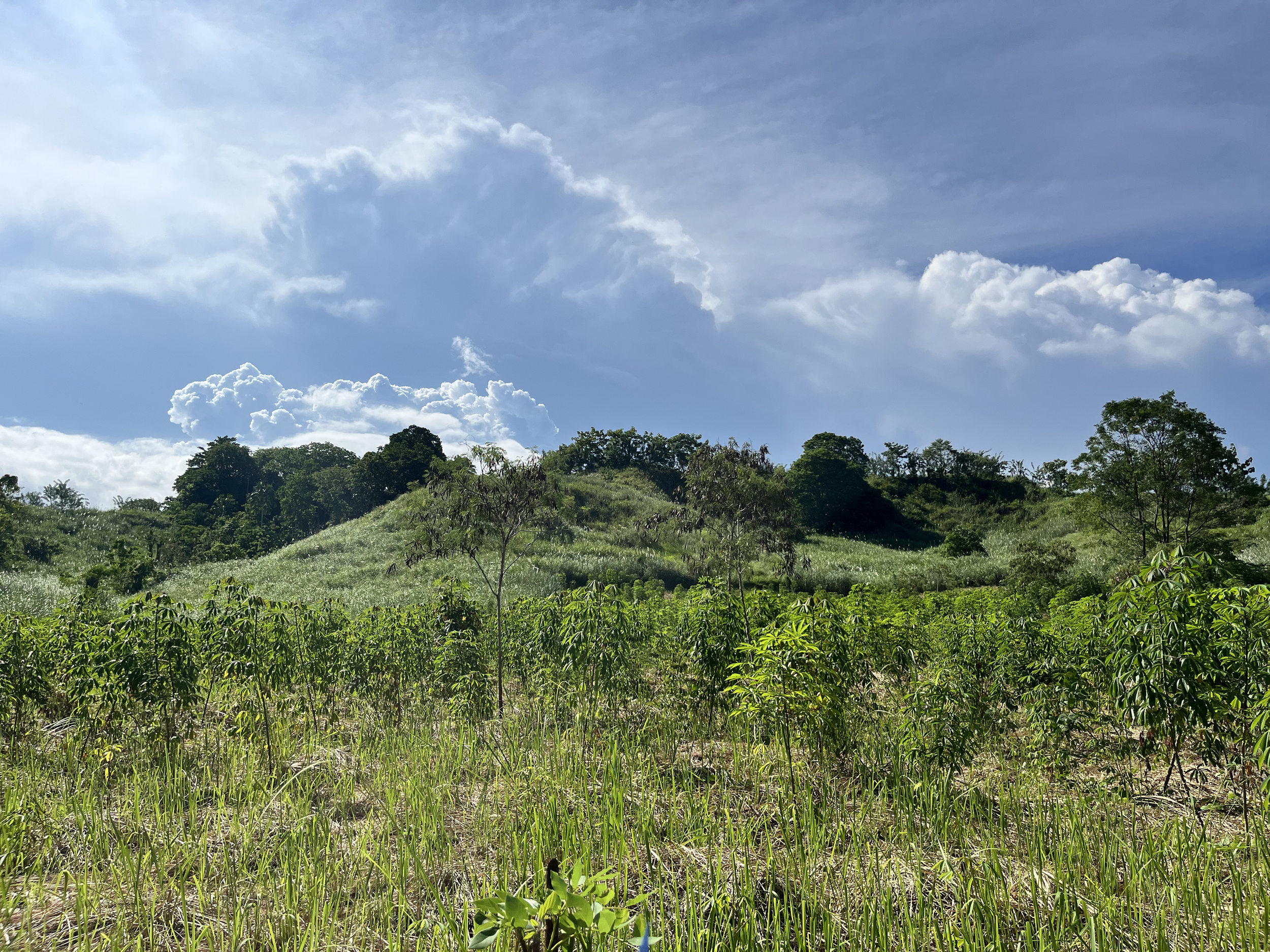
Developer: Thryve.Earth
Volume: 335,060 tonnes of carbon removal
Project type: Agroforestry
Announced: June 2026
Thryve.Earth is restoring landscapes with fruit and timber trees that store carbon while generating reliable, lasting income for local communities. Thryve’s agroforestry model uses a mixed crop farming system to sequester carbon, replenish soils, reduce fire risk, and increase biodiversity and income for local farmers.